
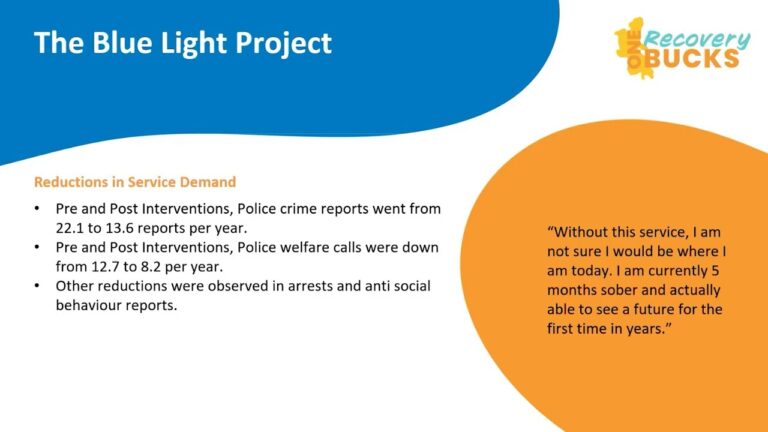
The Blue Light Project is an initiative developed by Alcohol Change UK...Read More

Gambling-related harm can affect anyone. For some people, gambling can begin as something that feels social or manageable, but over time it can become increasingly difficult to control. Harms can build quietly, impacting mental health, relationships, finances, and a person’s sense of stability.
Download the full case study
This blog is based on the NHS APA case study Gambling: Harms to Hope, featuring Becky Harris and the National Gambling Clinic at CNWL. Download it below to view, print and share.
The NHS Addictions Provider Alliance (NHS APA) is proud to lead a working group that brings together NHS experts in gambling harms and treatment provision from across England, working collaboratively on key policy, improvement, and innovation.
In this case study, we spoke with Becky Harris, Area Manager at Central North West London NHS Foundation Trust (CNWL), about their comprehensive National Gambling Clinic, how it supports people to recover from gambling, their challenges and their ambitions for the future of the service.
The National Gambling Clinic at CNWL, based in Earls Court, West London, was the first of its kind in England until more regional clinics commenced. For many years prior, it was known as the National Problem Gambling Clinic.
“If someone asks for help – we give them the help – whatever shape that takes. We do as much as we can to be as highly responsive as possible.” Becky Harris, Area Manager, CNWL
The Gambling Clinic – How it works:
The National Gambling Clinic predominantly treats people aged 18 and over, and although they mostly see people from London, they can accept, under certain circumstances, referrals from anywhere in England. The service also offers a national young person’s gambling clinic where people are supported from the age of 13 to 25.
The gambling clinic for people aged 18 and above has seen a change over time from supporting many people with sports betting at bookmakers to more online forms of gambling, such as online casinos. An emerging area they are supporting people with is reducing crypto and trading gambling.
The team of twenty specialists have a range of expertise and skill sets, predominantly psychology-based, including a consultant psychologist, senior psychologists, CBT therapists, assistant psychologists and psychiatrists. The team have a family therapist, which is not generally common for a gambling clinic. Nurses within the team enable the service to provide an even greater offer for people accessing the clinic. The mental health nurse and dual diagnosis practitioner support individuals with pre-CBT treatment and refer them on to other NHS services for physical and mental health support.
“We know that CBT treatment for gambling is really effective and it works, but we’re getting people with lots of complexity in their lives and lots of co-morbidity. Our nurses do loads of work to help people get ready for CBT. There’s also a lot of liaising and linking people in with the right services.” Becky Harris, Area Manager, CNWL
People can self-refer to the gambling harms clinic, and the majority of referrals are self-referred; however, they also receive a number of referrals from general practice and some from mental health services. They accept a high number of referrals. The only reason the service may not accept a referral is when a person has other acute needs which would make gambling treatment inappropriate at that time, and they signpost to a service better suited to that person’s needs in these circumstances. Currently, the gambling clinic receives around four hundred referrals per year.
Over many years, the annual referral rate has not changed from when the service was the only one and a national clinic, indicating that the London referrals have increased over time. The team boast a comprehensive online offer, meaning that accessibility is maximised alongside the offer of face-to-face care with early evening appointments available.
“The online offer is great for out-of-hours work; if someone is working all day, they can just go and join immediately online after work rather than having to travel.” Becky Harris, Area Manager, CNWL
For a person moving through the service, the pathways are streamlined and form phase one and phase two. Before phase one is a comprehensive assessment. Phase one includes supporting people with motivational interviewing, stimulus control, preparation for change, workshops, input from people with lived experience, guidance around the care a person can expect to receive and staff developing an understanding of each person’s holistic needs.
“It’s incredibly important for us to really understand what’s going on in people’s lives – to see if there are other services we need to be in contact with – just ascertaining where people are at.” Becky Harris, Area Manager, CNWL
What is stimulus control?
Stimulus control is the actions a person can take to make it more difficult for that person to follow an urge to gamble. For example, this might be putting a block on apps on a mobile phone so that gambling sites are harder to access. There are bank accounts available which do not allow a person to pay money to a gambling site, and people can also self-exclude from land-based premises, so they will not be let in if they attend. The gambling clinic can advise on placing credit cards in the care of others they trust.
“Once people have got that space where they actually can’t do it, it helps clear the air and provide space from that constant urge.” Becky Harris, Area Manager, CNWL
Following phase one, the team will ascertain if a person needs to move to phase two for core treatment such as CBT. Despite this being a standard offer, the team understand that it is essential to tailor care to each person and multiple parts of the pathway and care offer can run alongside this. For example, a person can also be accessing couples therapy in addition to groups or CBT, and if required, they can access psychodynamic therapy after CBT. The length of treatment tends to be tailored and can look different for everyone, but a typical period of CBT can take 8-10 weeks.
“So there’s a treatment programme, but the art is in making it applicable to people both individually and in groups.” Becky Harris, Area Manager, CNWL
Each person moving through the clinic’s pathways is assigned to a named person, which changes from phase one to phase two. In a time of crisis, phone lines are available as part of the wider CNWL offer, an offer that would be in place in most areas, particularly through mental health services. The clinic has an automatic reply on emails detailing the phone numbers for crisis lines such as the Gambling Helpline run by GamCare, and the Samaritans.
Becky spoke of how people often come to their clinic having experienced suicidal thoughts or having even made an attempt to end their life; however, she commented that when people access treatment, this often dissipates.
The gambling clinic drives a great deal of focus not only into treatment but also into preparation for treatment and the lived experience led aftercare.
Did you know? In some cases Naltrexone can be prescribed to help reduce gambling alongside other treatment options.
Considerations for professionals:
Becky spoke of how people with gambling issues will often present to other areas of healthcare, such as general practice, and because of the stigma, will not often be forthcoming with disclosing any struggles with gambling. She reports that instead of reporting this directly, people will often speak of other related harms such as financial problems, depression, relationship issues, stress and high levels of anxiety.
“From lived experience feedback, we know that people say, ‘I went to my GP, and I didn’t mention gambling. There’s a lot of shame, and people don’t quite know how to raise it, but the GP didn’t think to raise it.” Becky Harris, Area Manager, CNWL
Becky urges healthcare staff to ask one simple question – ‘do you ever gamble?’ and to keep in mind that support is available for people, with a gambling service in every region.
Information about current Gambling Harms Clinics can be found here.
Another key takeaway for professionals is to understand that gambling is highly stigmatised and affects not only the person who is gambling, but their friends, families and partners. Becky spoke of how people can gamble to a high level without the people around them becoming aware of it until much later.
She also spoke of how the gambling industry has made online gambling in particular so enticing and normalised, and how this makes it harder for a person to stop, despite the messaging around staying safe in adverts.
“The industry is set up to keep people going and keep an interest in it. It’s made to look fun. It’s made to look harmless.” Becky Harris, Area Manager, CNWL
Do you want support or advice around gambling?
Did you know? Certain prescribed medications that can, for some, increase the urge to gamble are Aripriprazole and certain dopamine agonists.
Future challenges and solutions:
Becky and the team at the National Gambling Clinic have extensive ideas for developing the service and its potential impact even further should the funding be in place. The gambling levy should see more money coming into the treatment system and should expand research, both of which are welcomed by the NHS. Becky is a firm believer in providing support for the whole family and would like to see an across-the-board increase in consistent family provision. Despite CNWL having a good level of lived experience-led aftercare in place at the clinic, the team would like to see this developed further to give people more support in the long term.
Impact:
When discussing the impact of the gambling clinic, Becky says the greatest impact they see from their effective treatments is that people stop gambling and go from living in crisis to repairing and thriving.
“When someone’s gambling is at its height, it affects every bit of that person’s life, and all their thinking is consumed by it. Just to be able to bring that down and get them back in control of their life, being able to just live life again – I think that’s great.” Becky Harris, Area Manager, CNWL
Another key impact is the outcomes seen in the reparation of relationships.
“We have a family therapist who works with couples, and we’re so lucky to have her – she can really bring relationships back that have been so impacted by the damage of gambling, essentially saving a family.” Becky Harris, Area Manager, CNWL
Charities and support groups that offer free, confidential support to people who are gambling, and their friends and family:
-
The National Gambling Helpline (run by GamCare) – call 0808 8020 133 for free 24 hours a day, 7 days a week for free information, support and counselling
-
GambleAware – the National Gambling Support Network service
-
Primary Care Gambling Service – a national service providing support for anyone experiencing gambling-related harms • GamLearn – the Gambling Lived Experience and Recovery Network service
-
Gamblers Anonymous – a local support group service that uses the 12-step approach to recovery
-
Citizens Advice Bureau – a charity that can advise you on a range of issues, including finances and gambling
-
ChapterOne – a charity that can provide advice and support for anyone experiencing gambling-related harms.
- About the Author
- Latest Posts


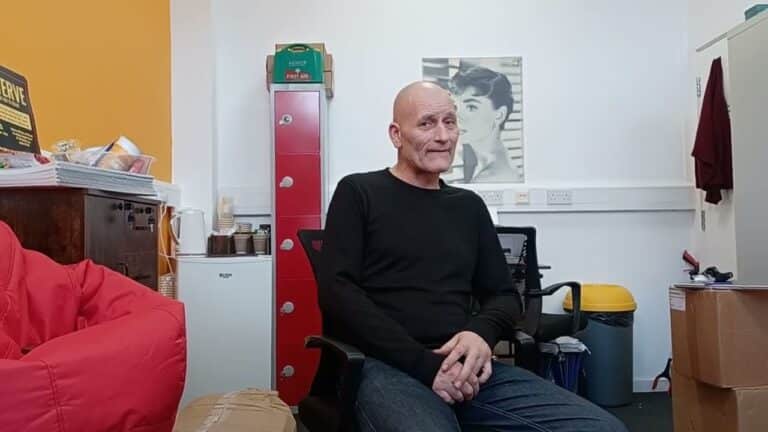
The Hackney Harm Reduction Hub (HHRB) is a peer-based harm reduction initiative...Read More

Sophie Wilsdon, Creative Communities Team Leader at Bristol Drugs Project (BDP), writes...Read More
Our Chief Executive, Will Haydock, introduces the latest Collective Voice publications on...Read More
The Collective Voice Tier 4 Forum has worked with a range of...Read More
Gambling-related harm can affect anyone. For some people, gambling can begin as...Read More
Our Chief Executive, Will Haydock, introduces the five key policy steps Collective...Read More
The National Audit Office (NAO) has today published its report into “The...Read More
Stigma Kills. For people living with both mental health challenges and addiction,...Read More
When individuals experience both mental health and addiction, the need for joined-up,...Read More