

Our Chief Executive, Will Haydock, reflects on our submission to the Treasury’s consultation...Read More

The publication of the Co-occurring mental health and substance use delivery framework comes at a critical moment. Drug, alcohol and mental health needs are far more likely to co-occur than exist in isolation.
Between 2024 and 2025, 74% of people starting drug and alcohol treatment were identified as having a mental health treatment need, and over a third of people with serious mental health needs also experience co-existing drug or alcohol conditions. Too often, people are excluded from mental health support until substance treatment needs are addressed, and from substance use services until mental health needs are resolved, leaving many without the help they need.
People with co-occurring needs who are not in contact with specialist services are at the greatest risk of suicide. National data shows that between 2010 and 2020, 47% of people in contact with mental health services who died by suicide had alcohol-related needs recorded, and 38% had drug-related needs recorded.
The NHS APA have shared their statement, below:
“The NHS Addictions Provider Alliance, a group of NHS providers who work with people who use drugs and alcohol and also experience mental health difficulties, welcomes the publication of the Co-occurring mental health and substance use delivery framework. As a group of NHS providers working with people who use drugs and alcohol, we have a front seat to the challenges faced by people with co-occurring needs trying to navigate a system that so often fails to meet them with holistic, person-centred and trauma-informed care.
The Delivery Framework makes clear that action needs to be taken across many levels, from government departments, to Integrated Care Boards, to mental health and drug and alcohol treatment providers. In a nutshell, it clarifies that we all need to be much better joined up in the planning and delivery of services, the recruitment and training of our workforce, and in the sharing of data and learning. We are pleased to see reference to reducing stigma as part of this approach.
As positive a step forward as this guidance is, it is now incumbent on all stakeholders to implement it. The APA’s members, many of whom straddle the silos of mental health and drug and alcohol treatment and have been taking steps to move in this direction, are ready to work collaboratively with the rest of the sector to meet its ambitions.“
Find the full framework here.
- About the Author
- Latest Posts


You might remember that back in February we published some resources designed...Read More

Our Chief Exec, Will Haydock, responds to the announcement of the Rough...Read More
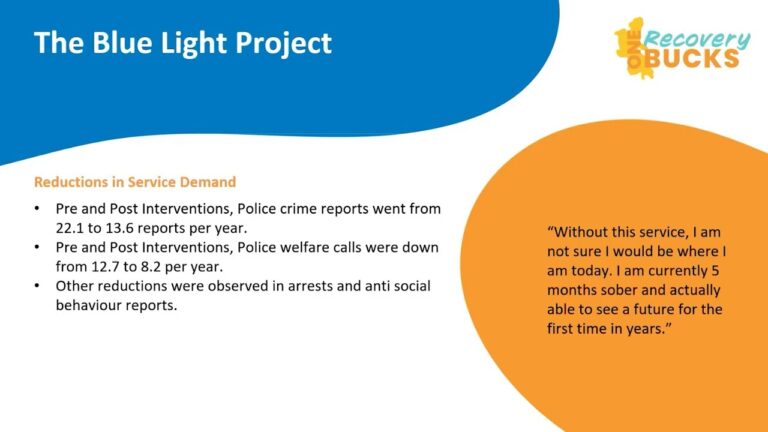
The Blue Light Project is an initiative developed by Alcohol Change UK...Read More

The Hackney Harm Reduction Hub (HHRB) is a peer-based harm reduction initiative...Read More

Sophie Wilsdon, Creative Communities Team Leader at Bristol Drugs Project (BDP), writes...Read More
Our Chief Executive, Will Haydock, introduces the latest Collective Voice publications on...Read More
The Collective Voice Tier 4 Forum has worked with a range of...Read More
Gambling-related harm can affect anyone. For some people, gambling can begin as...Read More
Our Chief Executive, Will Haydock, introduces the five key policy steps Collective...Read More